

Homes in Great Cacapon spent a median of 46 days on the market in August 2026, a 43 percent drop from the same month a year earlier. In that same stretch, the median list price fell 5 percent year over year to $330,000. Those two numbers should not move in opposite directions. When a market speeds up, prices usually firm up too, because buyers are competing for the same shrinking pool of listings. When prices soften, homes typically sit longer, because sellers are slower to adjust and buyers sense room to wait.
Great Cacapon is doing both at once, and the reason has nothing to do with buyer demand weakening or strengthening. It has to do with what's actually being counted as "Great Cacapon real estate."
Search any portal for homes in Great Cacapon and you'll get a mix that would never appear together in a typical suburban market: a 1.19-acre riverfront lot advertised as sitting entirely in the flood zone with a note that it "may be possible to build on pilings," a 10.17-acre parcel described as needing a well and septic system before it's livable, and a finished four-bedroom home in a gated community with a stocked pond and a two-car garage. All three get folded into the same median.
That blend is the actual story behind the price-versus-speed contradiction. Raw acreage and unfinished cabins, priced low and often already marked with a completed perc test to reassure buyers about septic feasibility, tend to move fast once a builder or land investor bites, because there's little to negotiate over condition. Finished, move-in-ready homes inside established communities carry more equity and take longer to transact. When land-only listings make up a larger share of what's active in a given month, the combined median can fall while overall turnover speeds up, simply because more of the inventory is the fast-moving kind.
You can see the fragmentation in how differently the numbers read depending on which slice you look at. Filter for homes with a view and the days-on-market figure comes in closer to two months with a median price north of $360,000. Filter for the broader pool and days-on-market drops into the 30s and 40s with a lower blended price. Neither number is wrong. They're describing different markets that happen to share a zip code.
If you're comparing what your money buys in Great Cacapon, the median is close to useless as a starting point. What matters is which of three distinct products you're shopping in, because each comes with a different set of costs and obligations beyond the listing price. All three turn up when you search Great Cacapon listings, though the Crossings sits close enough to the county line that some records file it under neighboring Hampshire County.
| Cacapon South | The Crossings at the Great Cacapon | Valley High Timber Farms | |
|---|---|---|---|
| Governance | Property Owners Association, developer-built | Volunteer-run POA, gated | Acreage community |
| Wastewater | Shared public utility treatment plant | Individual septic per lot | Individual septic per lot |
| Water | Private well, drilled by owner's contractor | Private well | Private well |
| Notable cost | Utility connection plus well drilling | The Crossings Owners Rights and Responsibilities document lists a $400 annual assessment ($325 operating, $75 bridge reserve) | None beyond standard permitting |
| Notable restriction | Some Indian Run Lane lots sit in a mapped 100-year floodplain | Tree removal near the river buffer requires board approval | Raw acreage |
Cacapon South was built by MDG Companies, a developer headquartered in Columbia, Maryland with a four-decade track record building communities in West Virginia, Maryland, Florida, and Ohio, and it sits directly across Route 522 from Cacapon Resort State Park, giving residents easy access to the park's golf course, lake, and hiking trails. What separates it from a typical rural subdivision is the wastewater setup. Instead of every lot relying solely on its own drainfield, Cacapon South operates its own public utility wastewater treatment plant, with each tank still getting periodic inspection, filter cleaning, and pumping as needed. The Cacapon South POA says wells are still each owner's responsibility, and the community's own materials put the average well depth at around 300 feet, a number worth budgeting around before you fall for a lot's view.
The Crossings at the Great Cacapon is a gated riverfront community with 108 homes across 214 lots, governed by an all-volunteer board. The $400 annual assessment splits into a $325 operating charge and a $75 bridge reserve fund, a detail that tells you something the listing photos won't: there's a bridge the community maintains, and it's expensive enough to warrant its own line item. The covenants get specific near the water: any tree removal within 90 feet of the river is covered by the rules, and removal within the tightest 20-foot buffer is treated as especially sensitive, requiring POA approval and an independent environmental study before a single tree comes down. Interior roads are capped at 15 miles per hour, adopted by the original developer in 1991 and reaffirmed by the board in 1994.
Valley High Timber Farms sits at the opposite end of the spectrum. Listings here are routinely marketed as acreage, with a community lake, beach area, and ball field that residents maintain informally. Everything else, from the well to the septic permit to the driveway cut, also figures into the purchase.
If your search takes you toward raw land or an unfinished cabin, the well and septic question stops being a comparison point and becomes the transaction. The Morgan County Planning Commission requires an approved well permit and an approved septic permit from the Morgan County Health Department before it will issue the Improvement Location Permit that lets you build. West Virginia's statewide design standard for individual sewage systems sets a minimum setback of 50 feet between a septic tank and a private well or groundwater supply, and requires a percolation test with at least four holes spread across the proposed absorption field before a system can be approved.
That's why so many Great Cacapon land listings lead with phrases like "perc test approved" or specify that a lot "needs well and septic." Sellers who've already cleared that hurdle are marketing it as a selling point, because it removes the single biggest unknown a land buyer faces. If a listing doesn't mention it, assume the work hasn't been done and budget both the time and the cost of getting through county health department approval before you can build anything.
None of this means Great Cacapon is a confusing place to buy. It means the market is really three markets sharing a name, and the median price is a blend that summarizes very different things rather than the price of any one of them. A buyer comparing a $330,000 median against a listing in Cacapon South, a listing in the Crossings, and a bare lot in Valley High Timber Farms isn't comparing three variations on the same purchase. They're comparing a finished home with shared utility infrastructure, a gated community with a bridge fund and covenant review, and a piece of ground that still needs a permit application before it's buildable.
Knowing which bucket you're in before you write an offer changes what you should be asking for, what you should budget beyond the purchase price, and how fast you should expect the transaction to move.
If you're weighing a cabin, a riverfront lot, or a finished home in Great Cacapon and want a read on which of these situations you're actually looking at, Holly E Schetrompf has spent more than two decades working this stretch of the Cacapon River corridor, from vacant land through move-in-ready homes. Contact Us to talk through what a specific listing will actually cost to close on and hold.
Is Cacapon South on septic or a sewer system? Neither in the way most rural WV lots are. The community operates its own public utility wastewater treatment plant rather than requiring each home to install and maintain an individual septic system. Wells remain each owner's responsibility, with depths in the community typically running close to 300 feet.
What distinguishes Valley High Timber Farms? Cacapon South and the Crossings at the Great Cacapon are both governed by property owners associations with dues and covenants. Valley High Timber Farms is an acreage community with a lake, beach area, and ball field.
What has to happen before I can build on raw land here? Morgan County requires approved well and septic permits from the county health department, along with a highway entrance permit if applicable, before it will issue an Improvement Location Permit. The septic approval process includes a percolation test and a minimum 50-foot setback from any private well. Budget time for this step separately from your closing timeline.
This article is general information, not legal, tax or financial advice. Consult a qualified professional about your situation.
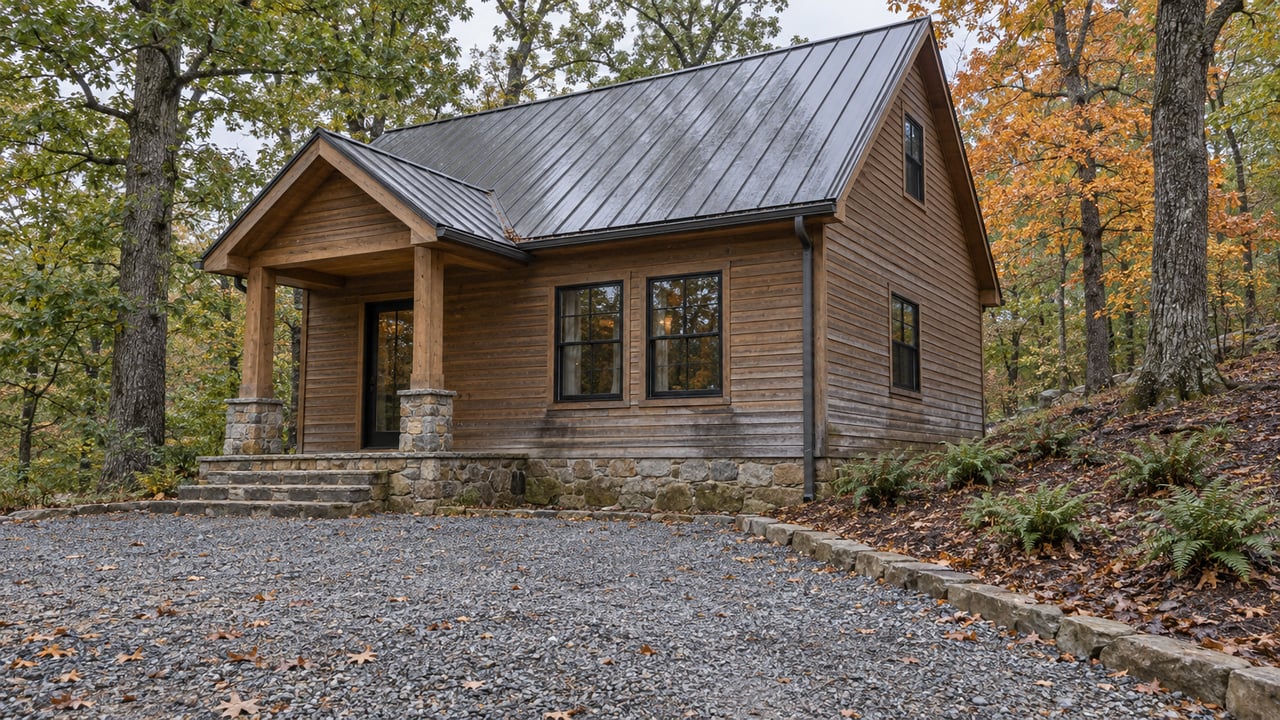
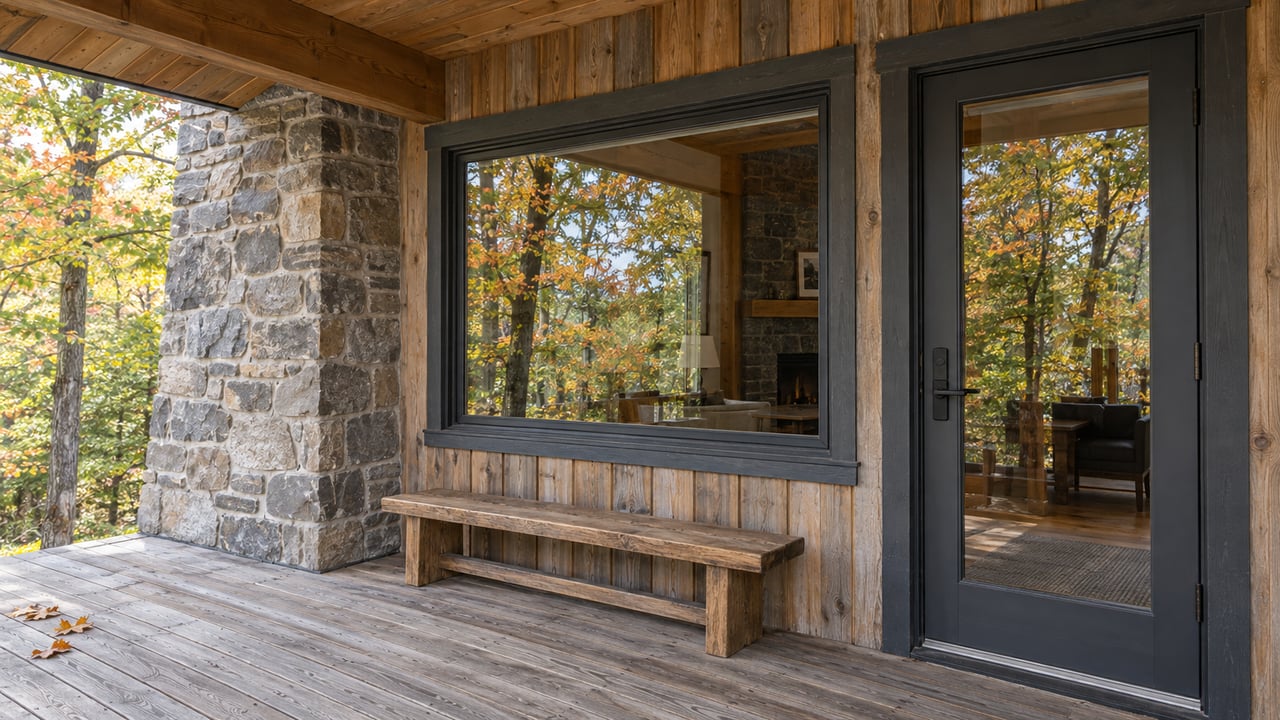
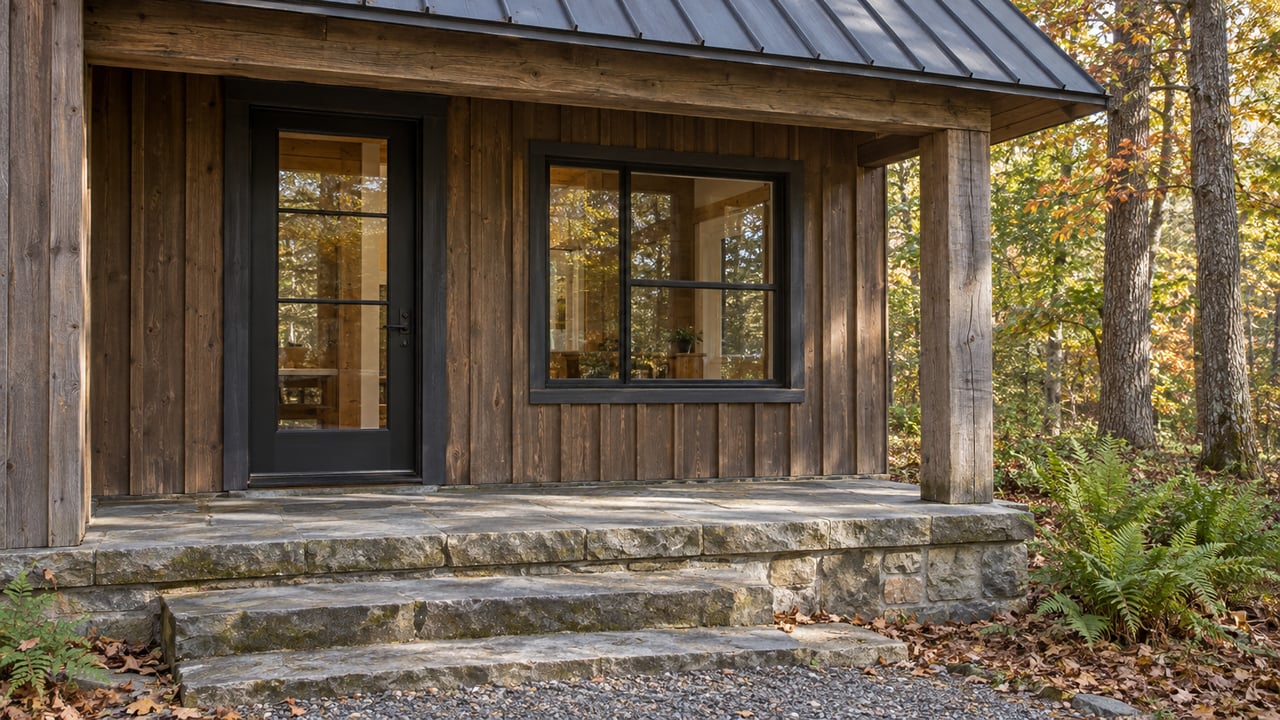
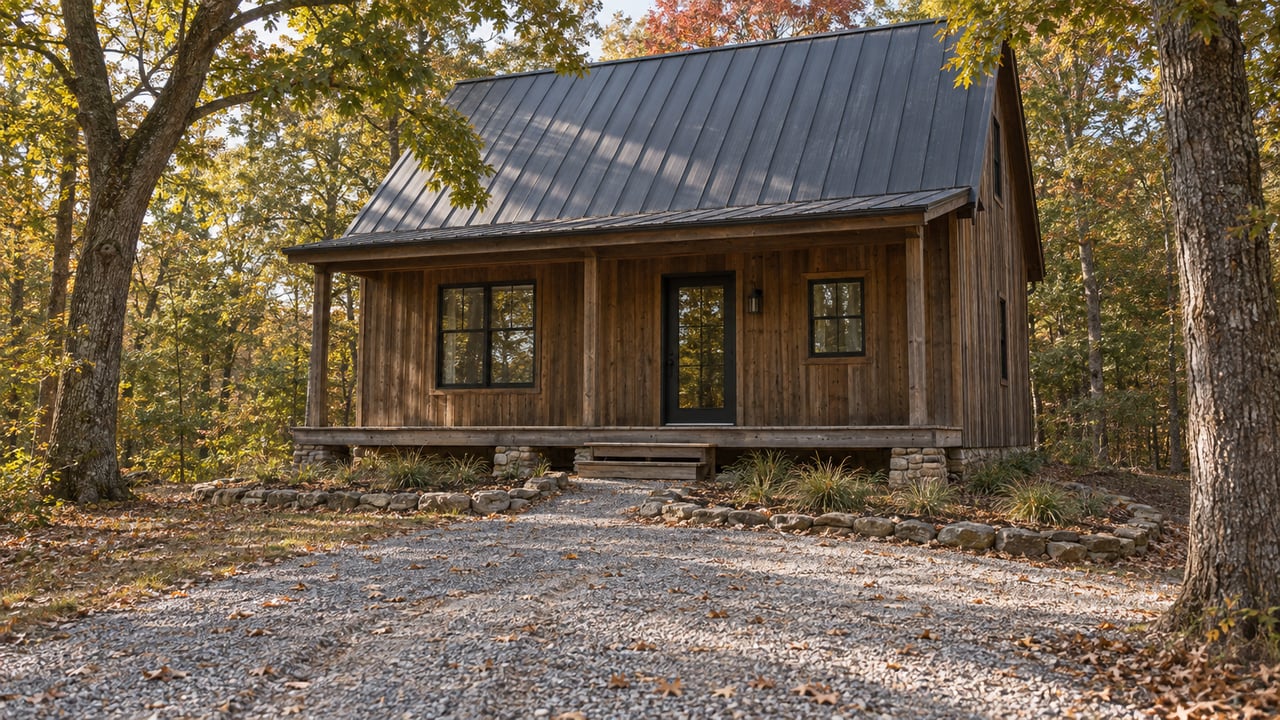


Looking for the perfect mountain escape in West Virginia? At Potomac Property Group, we offer privately owned vacation rentals. Whether you're planning a romantic retreat, a family adventure, or a friends’ getaway, our homes provide the comfort, privacy, and breathtaking views you need to relax and recharge.

Holly Schetrompf, Broker
Address
892 S Washington St
Berkeley Springs, WV 25411
Office Hours
Mon to Fri: 08:00 AM – 04:00 PM
Sat to Sun: By Appointment